Uvic Campus Community Garden
  • Home
  • About
    • garden mandate
    • History of the Garden
    • current board
    • Staff
    • Annual Reports
    • Contact
    • Location
    • FAQ
  • Get Involved
    • work parties
    • Volunteering
    • board meetings & faq
    • Renting a plot
    • Employment Opportunities
    • Projects and Partnerships
  • Events
    • Events Calendar
  • Photos
    • 2025
    • 2024
    • 2023
    • 2022
    • 2021
    • 2020
    • 2019
    • Spring Social 2018
    • 2017
    • 2016
    • Spring Social 2016
  • Resources
    • Video Tutorials
    • Food Security and Sovereignty
    • Composting
    • Seed Saving
    • Native Plants
    • Online Resources
    • Pests
    • Soil Building
    • When to Plant
    • Weeds
  • sundew
    • submission guidelines
    • issues
  • Blog
  • CCG Mixtape
  • CCG Merch

Work Shop highlight: Make your own beeswax wraps!

11/15/2019

1 Comment

 
Picture
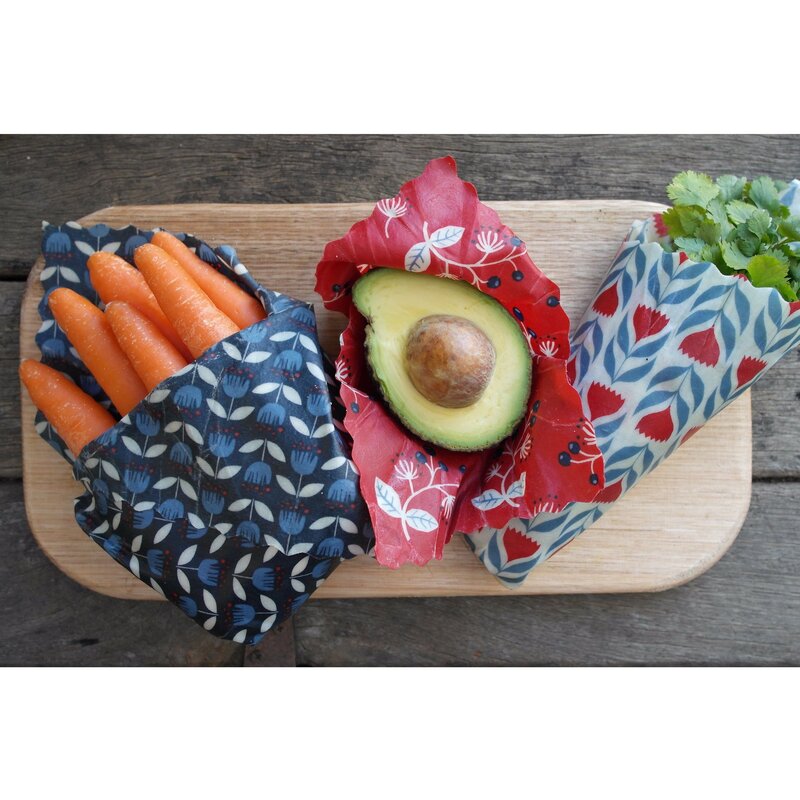
Beeswax Wraps: the newest trend in the zero waste movement.  But what's the big deal? They are expensive and what can you even use them for? They are a great replacement for ziploc bags, saran wrap and much more. You can use them to store food, transport soap and toothbrushes or to deliver cookies to a loved one. Fun fact: it's actually better for your food to be stored in a beeswax wrap because they are breathable and prevent the formation of condensation! And as for the expense, you can actually make them yourself. Here's how:

Ingredients:

- Pine rosin to add to the durability of the wrap and it's adhesive properties
- Jojoba oil for its anti-microbial properties and keeps the coating soft and pliable 
- Beeswax
- Cloth! you can use any cotton material from old bed sheets to fun fabric from a store

To make 6  9"x 9" wraps, you will need 100g beeswax, 20g rosin, 3tsp jojoba oil.

Instructions:
1. Melt the beeswax in a double boiler set up, you can use an old aluminum can if you don't want to go through having to cleaning out the pot (the beeswax can be messy!)
2. Crush the pine rosin in to small ish pieces and added it to the melted beeswax, keep over heat to melt the rosin / keep the mixture melted.
3. Add in the jojoba oil!
4. Cover your work surface with aluminum foil and lay your fabric down on top.
5. With a chunky paint brush, paint one side of the fabric, making sure that it is completely covered in wax but that there isn't too much excess.
6. Heat your oven to 100*C or the lowest oven setting and bake the wrap for 5 minutes with the painted side facing up (remember to put the wrap on a cookie tray that has been lined with aluminum foil) . 
7. If after 5 minutes the wrap is dark, looks wet and the wax has soaked through to the other side of the wrap completely then you are done! If not, you can chuck it back in the oven for another 3 min.
8. Hang the wrap to set! 
9. If you have left over wax mixture, it will solidify and can be stored as is, to be melted down again and used at a later date!

Some additional notes and maintenance:

DO NOT wrap meat with your new pal. 

Wash them in cold water, using hot water will make the wax melt off. If it does start to lose it's stick you can place it in the oven again or add a bit more of the wax mixture for a wrap revamp!

Once your pal is completely exhausted of use, don't fret! They can be composted :)

Enjoy your new adventure in to the world of beeswax wraps, and keep your eyes peeled for another workshop hosted by the garden on this topic!
1 Comment
Victoria Speed Dating link
11/3/2024 09:53:45 am

Thank yyou for sharing this

Reply


Leave a Reply.

    Categories

    All

Powered by Create your own unique website with customizable templates.
  • Home
  • About
    • garden mandate
    • History of the Garden
    • current board
    • Staff
    • Annual Reports
    • Contact
    • Location
    • FAQ
  • Get Involved
    • work parties
    • Volunteering
    • board meetings & faq
    • Renting a plot
    • Employment Opportunities
    • Projects and Partnerships
  • Events
    • Events Calendar
  • Photos
    • 2025
    • 2024
    • 2023
    • 2022
    • 2021
    • 2020
    • 2019
    • Spring Social 2018
    • 2017
    • 2016
    • Spring Social 2016
  • Resources
    • Video Tutorials
    • Food Security and Sovereignty
    • Composting
    • Seed Saving
    • Native Plants
    • Online Resources
    • Pests
    • Soil Building
    • When to Plant
    • Weeds
  • sundew
    • submission guidelines
    • issues
  • Blog
  • CCG Mixtape
  • CCG Merch